


How AI Models Work: Garbage In, Garbage Out
At its core, an AI algorithm takes in training data (labeled or unlabeled) and uses that information to learn and grow. Inherently, whatever data an AI model is fed will dictate how it makes decisions.
There's an age-old motto that applies even more strongly to AI today: garbage in, garbage out. AI algorithms aren't necessarily "intelligent", they're statistical pattern detectors. Feed a model clean, balanced, high-quality data, and you get reliable predictions. Feed it data that's incomplete, noisy, or unrepresentative, and the model could potentially output incorrect information.
The problem is AI models don't have the same contextual understanding that an analyst does. AI models often process data at scale, without context, and they don't know the difference between a real pattern and a data entry error. A single mistyped value doesn't just skew one report, if it's in the model's training dataset the model could skew every prediction made afterwards.
Real world examples with unclean data
Consider a bank training a model to predict loan default risk using years of historical lending data. Some applicants' income was recorded annually, others monthly, without a clear label distinguishing which is which. An applicant earning $5,000 a month is logged as "5,000," making them look drastically poorer to the algorithm than someone earning a $30,000 annually.
If the data isn’t cleaned, the model could infer a false pattern, that higher numbers equal safer applicants. It ends up systematically penalizing creditworthy monthly earners, while inflating the scores of lower annual earners, rejecting potential borrowers simply because of how their data happened to be collected rather than their actual credit worthiness.
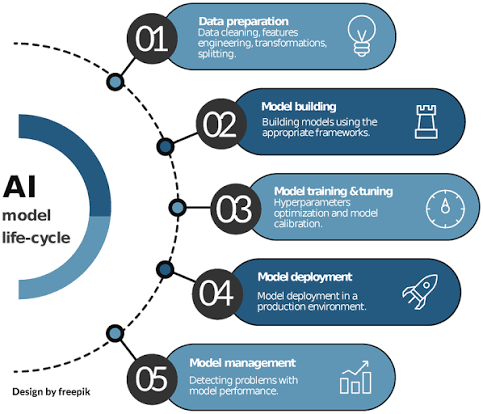
What Data Cleaning Actually Looks Like in the AI Era
Data cleaning is the initial foundational work that determines whether an AI solution succeeds or fails. Today as analysts, data cleaning comes down to:
- Eliminating Hidden Noise: Isolating rogue outliers, like an accidental typo or a corrupt system log, before they skew the model's baseline understanding of the data.
- Fixing Imbalances: Ensuring the dataset accurately represents real-world scenarios so the model doesn't develop blind spots towards groups with less data available.
- Contextually Validating the data: Asking why data looks the way it does before feeding it to an algorithm. AI takes everything literally, humans have to provide the sanity check.